FedRAMP-Compliant Government Call Center Outsourcing

Government call center outsourcing with DATAMARK helps agencies do more with limited resources, modernizing operations through intelligent automation and data-driven insights that improve service delivery and citizen outcomes.

FedRAMP® Compliant + Certification Ready

Our infrastructure and processes meet rigorous FedRAMP cybersecurity standards for handling federal data. We maintain active SOC 2 Type II and PCI-DSS certifications and can obtain FedRAMP Authority to Operate (ATO) certification when required by federal contracts. DATAMARK has supported government contact center transitions in as little as 30 days, built around this same compliance infrastructure.

Government Call Center Outsourcing

Improve citizen interactions with secure, compliant contact center services that improve satisfaction while reducing costs.


  • Unified support across phone, email, chat, and digital channels
  • Multilingual support meeting Section 508 and language access requirements
  • AI-powered transcription and analysis within classified environments
  • Automated documentation ensuring FOIA readiness and regulatory compliance
  • Real-time insights into public satisfaction and emerging issues
Businesswoman wearing headset smiling in office setting, representing banking customer support services.

BPO That Speaks the Language of Government

Improve processes, strengthen responsiveness, and support agencies with secure, scalable expertise.

Digital banking and finance concept graphic with connected icons around central gears and automation symbol.
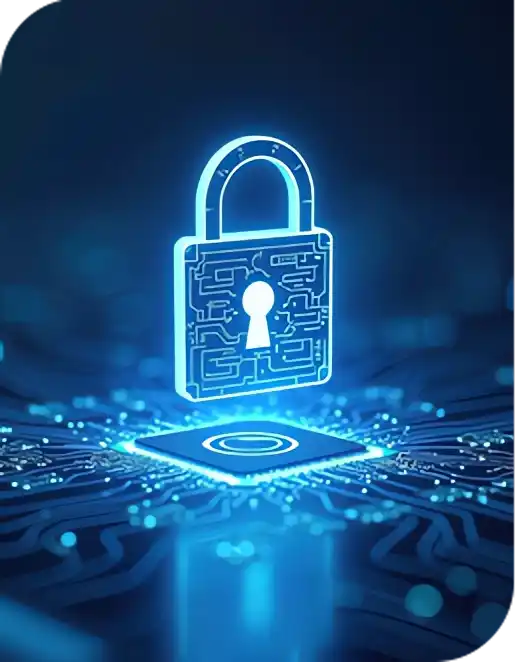
Glowing blue padlock hovering above microchip on circuit board, representing digital data security protection.
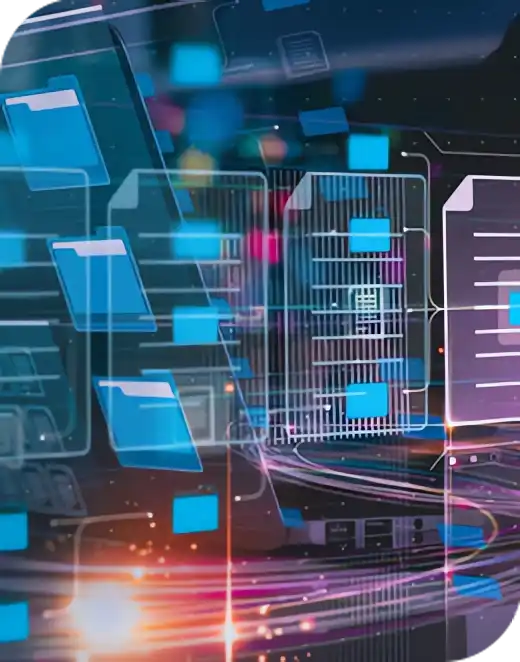
Transparent digital folders and files layered over server racks with colorful data streams and light trails.

Business Process Automation & Modernization

Simplify government operations with intelligent automation that reduces bureaucracy while maintaining accountability and oversight.

  • Compliance-first automation: RPA services designed around government regulations and oversight requirements
  • Transparent process design: Clear audit trails and approval workflows
  • Scalable implementation: Phased rollouts that minimize disruption
  • Cost efficiency: Focus on high-impact processes that deliver measurable savings
  • Benefits, permitting, and licensing: Automated eligibility and application processing
  • Security integration: Meets NIST Cybersecurity Framework requirements
  • Change management: Training and transition planning for government workforces

Document Processing & Records Management

Modernize paper-intensive processes with secure, compliant digital workflows that accelerate decision-making and improve public access.


  • End-to-end digitalization: Secure conversion of legacy documents and records systems
  • Compliance integration: Built-in workflows ensuring FOIA, Privacy Act, and records retention compliance
  • Intelligent classification: AI-powered document sorting and routing
  • Advanced analytics: Pattern recognition for fraud detection and process improvement
  • Disaster recovery: Secure backup and recovery systems meeting government continuity requirements
Robotic hand pointing at rising financial charts and stock graphs on blue analytics dashboard.
Abstract digital interface with layered data panels, code windows, and glowing network connections.

Built for the Needs of Government Agencies

United States flag displayed in front of neoclassical government building with tall white columns.

Federal Agencies

Modernize legacy operations into efficient, transparent public services that citizens trust. See measurable improvements in service delivery and cost effectiveness.

Professional reviewing paperwork with client across desk in office setting under bright overhead lighting.

State & Local Government

Deliver better services to your communities. Free up staff time for high-value citizen interactions while providing transparent reporting for constituents and oversight bodies.

Nurse in blue scrubs showing tablet screen to elderly woman seated on couch in home healthcare visit.

Healthcare & Social Services Agencies

Get critical benefits to citizens faster while maintaining privacy and compliance standards. Reduce wait times, application backlogs, and support staff burnout.

Glowing shield icon beside classical bank building graphic on digital background representing regulatory compliance.

Regulatory & Compliance Agencies

Strengthen regulatory enforcement while reducing administrative burden. Identify compliance trends and risk patterns for more proactive oversight.

Elite Trust and Security Capabilities

DATAMARK maintains government-grade security infrastructure meeting FedRAMP® compliance standards. Few BPOs achieve this level of security maturity, making DATAMARK one of the most secure, compliant providers in the industry.

  • Active Certifications: SOC 2 Type II, PCI-DSS
  • Compliance Standards: FedRAMP, HIPAA, GDPR, NIST Cybersecurity Framework
  • Security Architecture: Zero Trust protocol with continuous monitoring
  • Audit Readiness: Annual third-party audits, penetration testing, and security updates
  • Federal Procurement: FedRAMP-compliant infrastructure accelerates agency onboarding and security assessments
Futuristic cybersecurity shield with data streams and glowing network lines across dark tech interface.
AICPA SOC 2 circular certification badge logo in black and silver design on white background.
GDPR circular compliance badge with stars around border and bold lettering centered on gray background.
PCI DSS compliance logo with large PCI letters and smaller Data Security Standard text in gray design.
FedRAMP authorization logo with bold FR letters inside speech bubble shape and text below.
HIPAA Compliant logo featuring medical caduceus symbol beside bold compliance lettering.
National Institute of Standards and Technology U.S. Department of Commerce official logo in gray text.

Why Government Agencies Choose DATAMARK

Blue icon of hand supporting three people figures, symbolizing public service and community support.

Mission-First Mindset

We understand that government operations directly impact citizens’ lives. Our services prioritize public service outcomes while delivering operational efficiency and cost savings.
Blue document icon with magnifying glass and checkmark, representing review and compliance verification.

Transparency & Accountability

Every solution includes comprehensive reporting and audit capabilities. We help agencies demonstrate value to oversight bodies and the public through clear metrics and transparent processes.
Blue shield with checkmark connected to circuit lines, symbolizing secure government data protection network.

Security Without Compromise

Our government-grade security infrastructure protects sensitive data while enabling modernization. We meet the highest federal security standards without sacrificing functionality or user experience.

Dollar sign inside circular arrows icon in blue tones, symbolizing financial transactions and payments.

Proven ROI for Taxpayers

Our automation and intelligence solutions deliver measurable cost savings and service improvements, helping agencies get the most value from every taxpayer dollar. Use Innovation Lab to test solution ROI before committing.

CASE STUDY

How El Paso 311 Contact Center Transitioned
Contact Center Ops in 30 Days

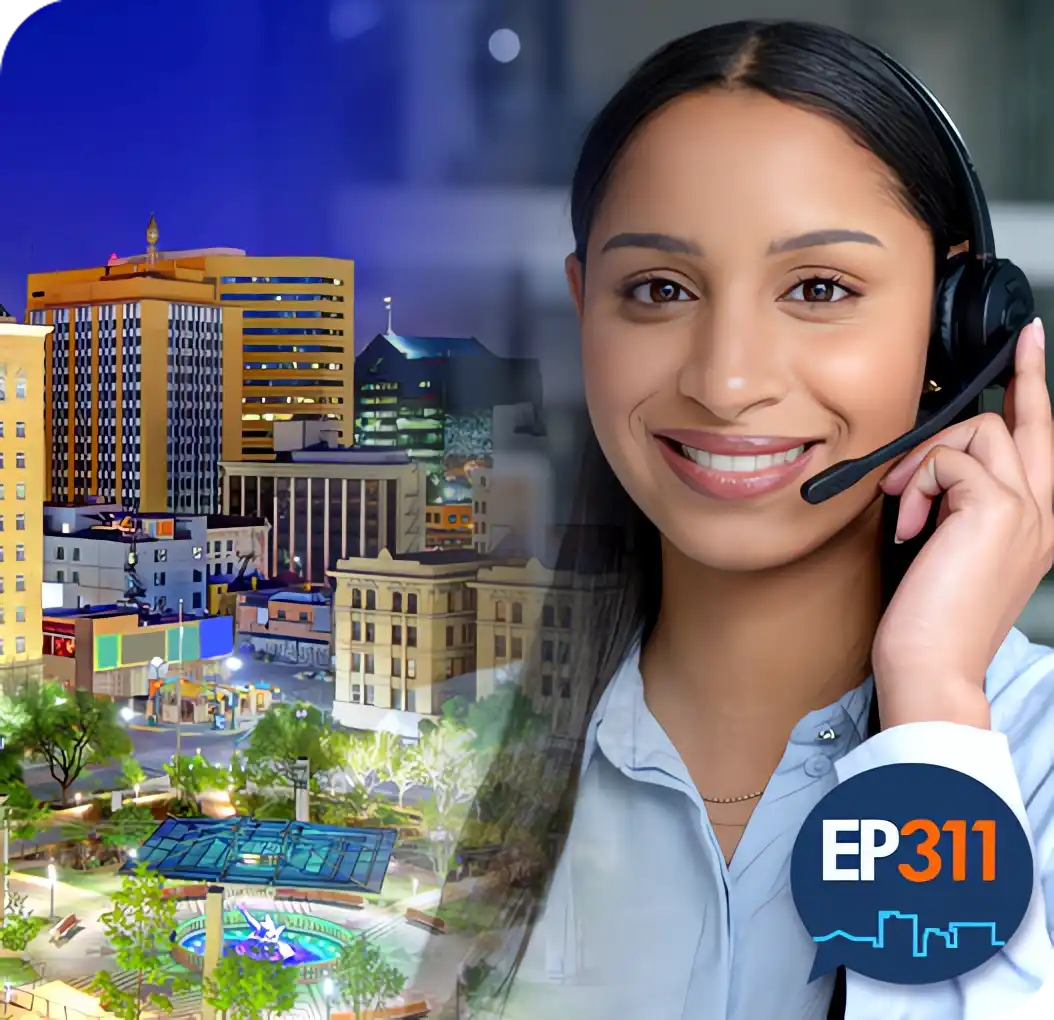
El Paso 311 is a non-emergency hotline that enables the 685,000 citizens of the City of El Paso to report problems, ask questions, and get information about the community.

The City of El Paso awarded DATAMARK a three-year contract to operate, manage and staff the El Paso’s 311 Contact Center. In order to take over, they had to seamlessly transition from the previous service provider and staff the contact center with about 40 employees all within 30 days.

Key Solution:
  • Implemented structured contact center staffing plan
  • Deployed business engineers, project managers and transition managers
  • Managed every step of the contact center transition
Smiling customer service representative with headset beside city illustration and EP311 logo badge.

FAQs About Government Call Center Outsourcing

How should a government agency structure its RFP process for selecting a contact center or BPO vendor?+–

A government agency’s RFP process for a contact center or BPO vendor should score compliance documentation, security certifications, and past-performance references as separate criteria, not one general ‘qualifications’ section. Confirm which procurement vehicle applies, such as a GSA schedule or state term contract, since that shapes the RFP’s structure and timeline. Build in a transition plan requirement, so bidders show how they’d staff and launch operations, not just describe their capabilities. DATAMARK has responded to government RFPs backed by FedRAMP-aligned infrastructure and a track record of 30-day contact center transitions.

Does government contact center outsourcing require security clearances for agents?+–

Security clearance requirements for government contact center outsourcing depend on the data being handled and the agency’s own policy, not one universal standard. Municipal 311-style services handling public, non-sensitive information typically don’t require clearances, while work touching federal systems may require background checks or specific clearance levels. Vendors should scale their vetting process to match what a given contract requires. DATAMARK’s infrastructure meets FedRAMP cybersecurity standards and can pursue FedRAMP Authority to Operate certification when a federal contract requires it.

How fast can a government call center transition to a new vendor?+–

A government call center transition can move faster than agencies expect when the incoming vendor has a structured staffing plan in place before the contract starts. DATAMARK transitioned the City of El Paso’s 311 contact center, staffing roughly 40 employees and taking over full operations, in 30 days under a three-year municipal contract. That timeline depended on deploying business engineers, project managers, and transition managers from day one, rather than starting hiring only after the contract was signed.

What are the risks of outsourcing government contact center operations, and how do BPO providers mitigate them?+–

The main risks of outsourcing government contact center operations are data security exposure, compliance gaps, and service disruption during the vendor transition. BPO providers mitigate data risk with FedRAMP-aligned infrastructure and SOC 2 controls, and mitigate compliance risk by building FOIA, records retention, and Section 508 requirements into workflows from the start rather than retrofitting them. Transition risk is best managed with a structured staffing plan in place before the contract begins. DATAMARK addresses all three with FedRAMP standards, active SOC 2 Type II and PCI-DSS certifications, and a track record of 30-day transitions.

What makes a public sector contact center different from a commercial one?+–

A public sector contact center differs from a commercial one mainly in compliance and transparency: FOIA readiness, records retention, and audit trails for oversight bodies are built into the workflow, not optional add-ons. Multilingual and accessibility requirements, such as Section 508 language access, are typically mandatory. Citizen-facing work also carries a different tone than commercial service, since interactions often involve public services people are required to use. DATAMARK’s public sector work, including 311 municipal services, is built around these requirements from the start.

Modernize government operations with secure, compliant solutions designed by an expert team.

  • Quickly adapt to regulatory changes
  • Transform complexity into competitive advantage
  • Reduce cost and improve outcomes
  • Scale confidently
  • Innovate without disrupting services

Sign Up for a Complimentary
Consultation Today!

Fill in the fields below to get in touch with us today.
A DATAMARK representative will contact you shortly.

If you want to speak to an expert right now, please call us at 800-477-1944.

FAQs About Government Call Center Outsourcing

How should a government agency structure its RFP process for selecting a contact center or BPO vendor?

A government agency’s RFP process for a contact center or BPO vendor should score compliance documentation, security certifications, and past-performance references as separate criteria, not one general ‘qualifications’ section. Confirm which procurement vehicle applies, such as a GSA schedule or state term contract, since that shapes the RFP’s structure and timeline. Build in a transition plan requirement, so bidders show how they’d staff and launch operations, not just describe their capabilities. DATAMARK has responded to government RFPs backed by FedRAMP-aligned infrastructure and a track record of 30-day contact center transitions.

Does government contact center outsourcing require security clearances for agents?

Security clearance requirements for government contact center outsourcing depend on the data being handled and the agency’s own policy, not one universal standard. Municipal 311-style services handling public, non-sensitive information typically don’t require clearances, while work touching federal systems may require background checks or specific clearance levels. Vendors should scale their vetting process to match what a given contract requires. DATAMARK’s infrastructure meets FedRAMP cybersecurity standards and can pursue FedRAMP Authority to Operate certification when a federal contract requires it.

How fast can a government call center transition to a new vendor?

A government call center transition can move faster than agencies expect when the incoming vendor has a structured staffing plan in place before the contract starts. DATAMARK transitioned the City of El Paso’s 311 contact center, staffing roughly 40 employees and taking over full operations, in 30 days under a three-year municipal contract. That timeline depended on deploying business engineers, project managers, and transition managers from day one, rather than starting hiring only after the contract was signed.

What are the risks of outsourcing government contact center operations, and how do BPO providers mitigate them?

The main risks of outsourcing government contact center operations are data security exposure, compliance gaps, and service disruption during the vendor transition. BPO providers mitigate data risk with FedRAMP-aligned infrastructure and SOC 2 controls, and mitigate compliance risk by building FOIA, records retention, and Section 508 requirements into workflows from the start rather than retrofitting them. Transition risk is best managed with a structured staffing plan in place before the contract begins. DATAMARK addresses all three with FedRAMP standards, active SOC 2 Type II and PCI-DSS certifications, and a track record of 30-day transitions.

What makes a public sector contact center different from a commercial one?

A public sector contact center differs from a commercial one mainly in compliance and transparency: FOIA readiness, records retention, and audit trails for oversight bodies are built into the workflow, not optional add-ons. Multilingual and accessibility requirements, such as Section 508 language access, are typically mandatory. Citizen-facing work also carries a different tone than commercial service, since interactions often involve public services people are required to use. DATAMARK’s public sector work, including 311 municipal services, is built around these requirements from the start.