

Burnout is a gradual process that can develop over time, affecting even the most dedicated and accomplished executives. Throughout my career, I have observed talented leaders struggle to battle burnout. I have also experienced periods in life when maintaining balance required deliberate attention and discipline.
Let’s talk about burnout, some of the early warning signs, and ways you can recover.
What is Burnout?
Let’s start with a clear definition.
The American Psychiatric Association describes burnout as a profound, chronic exhaustion of the mind, body, and spirit, which can lead to a sense of helplessness and detachment. Some of the early warning signs include chronic fatigue even after a full night of sleep. Mood changes, including increased irritability, impatience, and frustration over even small issues, are another sign. What’s more, if this pattern of behavior at work continues for too long, it can and will affect team morale.
Here are some physical symptoms to watch out for. Frequent headaches. Changes in sleep patterns and appetite, along with digestive issues. Add to this muscle aches and ongoing tensions in the body.
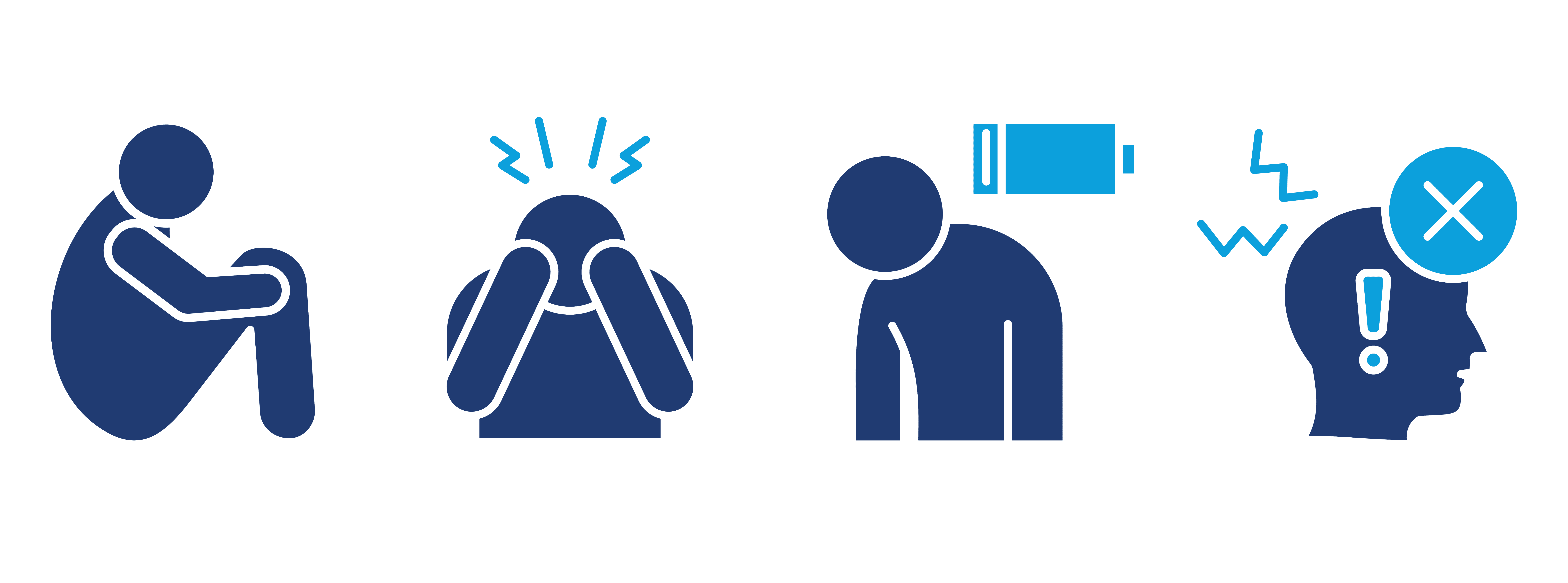
My personal indicator is a decrease in motivation. Tasks start to feel like a burden, and productivity rapidly declines.
Social isolation is another fallout of burnout. Many leaders choose to handle challenges independently while withdrawing from co-workers, friends, family, and social gatherings. Without an outlet, stress can increase.
So, what is the solution? I won’t pretend to have all the answers. Like most leaders I know, I struggle with keeping things balanced. I will, however, share what has worked for me.
Morning Routines and Self-Care
A morning routine sets the tone for the entire day. First, it can reduce decision fatigue. Eliminating low-stakes decisions frees up your mind for more important decisions throughout the day. This manifests itself in my life in continuous cases of irritation and frustration over small matters that do not even deserve my attention in the first place. All self-induced!

Steve Jobs used to wear black turtlenecks and jeans that he kept in his closet on repeat. He didn’t have to decide what to wear each morning.
Long before Olympic swimmer Michael Phelps won gold, he had already established his morning routine. It included a checklist of what he wanted to accomplish before he even reached the pool. Each checkmark resembled a win. By the time he made it to early morning practice, Phelps was already winning.
I use my morning routine to reduce stress and start the day with a calm, focused mindset. My day begins at 5 am. I spend the first hour reading the bible and praying. My priority is spiritual health. Then I hike up the mountain where my family’s home is located. It’s about an hour and a half up and back. The goal is to keep my heart rate between 135 and 145 beats per minute for physical and mental health.
It also gets me out in nature and fresh air. I’m free to think. Sometimes, I get my best ideas this way!
I try to eat with nutrition in mind, except when I am in Las Vegas. Then all bets are off! And while this may reveal that my partying days are long past, I’m in bed at 9 pm every night like clockwork. I’ve read that going to bed at a consistent time and getting seven to nine hours of sleep is optimal. So that’s what I aim for.
Prioritizing Tasks
I have found that working with to-do lists is one of the most effective ways to stay focused and accomplish goals. Michael Phelps’ approach of celebrating small victories can be viewed as a success. To-do lists also help prioritize responsibilities, ensuring that the most important tasks are addressed first. Unexpected events and distractions will arise throughout the day. While flexibility is important, key responsibilities should not be overlooked. To stay on top of unplanned tasks, I block off a full hour at the end of each day to complete them and get a head start on tomorrow.
And you absolutely must have a Stop Doing list. I learned that tip from the book “Good to Great”, by Jim Collins, decades ago, and it remains vitally important for all leaders today. It’s about the willingness to eliminate distractions and to focus on the core mission.
Diligent Delegation
For me, the easiest way to avoid burnout is to surround myself with the BEST people! Over time, they start thinking for you and with you. That is the secret sauce.
Leading people is far more complex than simply checking off tasks on a to-do list. Every individual has unique strengths, challenges, motivations, and communication styles. I need to understand what each person needs to be successful. This takes intentional thought and preparation before every meeting and interaction.
Through mentorship programs, coaching conversations, professional development opportunities, or regular one-on-one meetings, leaders directly impact their teams’ growth and engagement. I meet with DATAMARK Vice Presidents twice a month for one hour each and DATAMARK Directors once a month for one hour each. We discuss priorities and how to move through challenges while aligning with our organization’s goals.

When leaders invest time in building capable, informed teams, delegation becomes significantly more effective. Team members have the confidence, knowledge, and authority to take ownership of their responsibilities. Trust your teams and resist the urge to micromanage.
Taking Breaks
I’m not one for taking breaks during the day, but I always have lunch outside the office. In El Paso, Texas, where DATAMARK’s head office is located, there are at least 30 restaurants right outside the door. Some of the team usually join me, and it’s a way to socialize beyond our workspace.
I travel a lot for work. I take travel breaks of at least two weeks between trips. I’ve learned that it takes this time to reset. I might need to reset my sleep after a time zone change or reset my eating habits. I try to eat healthy, but as I mentioned, this is not always possible on the road. Local foods from different countries that I don’t often have at home, or fast-food indulgences, while delicious, also result in an at-home food reset.
It takes time to catch up on the work that I’ve missed and to reconnect with my team and my family. After this timeframe, I may be off on another trip, but not before. It’s something I learned along the way to combat travel fatigue.
Setting Clear Boundaries
Let’s talk about work-life balance. This can be a tough one. I am admittedly the first one in the organization to respond to an email. Generally, when someone on the team reaches out to me, it’s because they need something right away. I’m not entirely sure what my family would say about this, but I don’t think they find it too bothersome.

My wife and I have six kids, from teens to adults, four of whom still live at home with us. It’s important that we spend time together as a family. And as an extended family. Sometimes we will all take a holiday together. My boys like hunting and fishing, yet my daughter and wife love the beach, so even this is a balance. Holidays like Christmas are big events in our home, with lights strung up everywhere, lots of good food, spiked eggnog, and laughter.
Then, there are hobbies. I enjoy golfing, and shorter day trips that include hunting and fishing with my boys, and four of my five sons enjoy flying, just like I do from my Air Force days. All these hobbies force me to turn off the world and focus on the task at hand, and guarantee hours of quality time with the kids.
Disconnecting from the workplace is essential, and I make a conscious effort to do this every night when I leave work. Putting the top down on my car and driving home is a great way to avoid any communication and force the transition.
Seeking Support
As leaders, we spend much of our time coaching, mentoring, and supporting others. If you’re also a parent or spouse, those responsibilities continue long after the workday ends. Over time, constantly being the one others rely on can become draining.
That’s why every leader needs a trusted support system. Whether it’s a mentor, executive coach, trusted advisor, therapist, or faith leader, having someone outside your day-to-day work and personal life provides an invaluable source of perspective.
For me, that person is my pastor. We meet for an hour each month. He challenges my thinking, offers wise counsel, and reminds me to focus on what matters most.

Strong leaders don’t have all the answers, nor should they carry every burden alone. Seeking guidance isn’t a sign of weakness. It’s a discipline that helps leaders remain resilient.
In Conclusion
Preventing burnout isn’t about working harder. Instead, it’s about working with intention. Protect your energy. Prioritize your health. Think about making choices that support your long-term well-being. Practicing simple habits can make all the difference, leaving you better equipped to lead and support others in all aspects of your life.