
How to capitalize on seasonal spending.

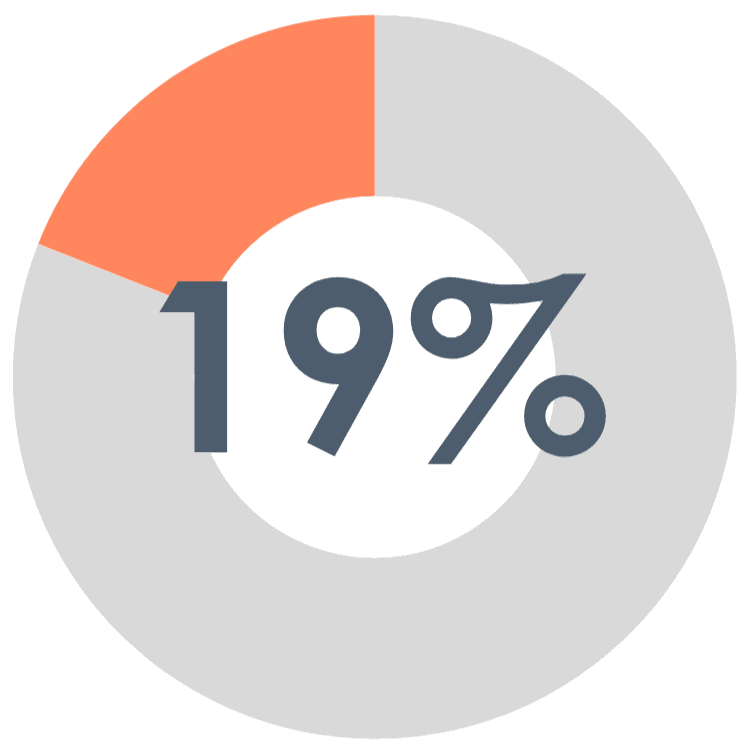
The holiday season represents one of retail’s biggest opportunities and its greatest operational challenges. The National Retail Federation (NRF) forecasts that in November and December this year, retail sales will climb 4.2 percent over last year, surpassing $1 trillion. Together, these two months account for about 19 percent of annual retail sales. It’s a large piece of the pie that has remained consistent over the past five years.
Capitalizing on seasonal spending requires preparation across the organization. From extended Black Friday sales to the Christmas gift-buying rush and the 25 percent to 45 percent increase in returns that typically follows the holidays, retailers face intense demands.
A well-trained contact center team, supported by AI-driven solutions for all segments of the business, can help retailers anticipate demand, streamline operations, and maintain the high level of customer service shoppers expect. Here’s how.
Building Holiday Teams

To meet seasonal staffing needs, DATAMARK leverages its established talent network and agile recruitment process to build additional teams quickly. Our recruitment engine is designed to handle large-scale hiring demands. It can onboard up to 500 full-time employees in a single month without compromising candidate quality, training standards, or operational readiness.
By engaging prospective candidates early, maintaining a pipeline of pre-screened talent, and conducting rapid hiring events in Mexico and India, our team accelerates recruitment, interviews, and onboarding. We also strategically recruit above the client’s approved FTE requirement. This creates a staffing buffer that helps meet target headcounts consistently, even as attrition or unexpected staffing needs arise. We bill any additional overage transparently, giving clients added workforce flexibility and coverage.
All candidates undergo skills assessments to confirm their data entry abilities and procedural knowledge. Only then do they begin role-specific training. AI-powered simulations of real customer interactions and workflows further accelerate preparation. Agents build confidence, sharpen their skills, and reach proficiency sooner before going live.
Helping Agents Succeed
Here’s an insider’s view of the contact center over the holiday season. Customers shop in volume, often at the last minute. This urgency can create emotionally charged customer interactions.
And here’s a statistic to add to the mix. More than one-fourth of customers reach out about delivery status. What’s more, discount shoppers buying during Black Friday aren’t loyal to brands, which means multiple returns that only compound after Christmas Day. Given the pressure contact center agents are under, it’s not surprising that CSAT scores can plummet.
AI tools can support agents. However, effectiveness depends on testing and refining workflows before the holiday rush begins. First up, deploy AI agents to manage high-volume, low-complexity tasks. Then, human agents can handle more complex customer interactions that affect overall customer satisfaction and long-term brand loyalty.
AI-powered routing assesses each interaction in real time to match customers with the best live agent to meet their needs, eliminating transfers. Once the customer and contact center agent connect, AI can listen in, instantly provide additional information on the screen, and suggest next steps. It’s a game changer for first contact resolution (FCR).
AI tools such as Microsoft Azure AI, Valence, and DataScribe can give agents emotional intelligence through real-time sentiment detection, offer AI-powered guidance through difficult conversations, signal when customers are open to upselling and cross-selling, and automate call summaries to eliminate manual tasks.
Balancing Supply and Demand
Inventory misalignment can cost retailers. AI-powered predictive analytics can assess patterns in browsing, past purchases, and seasonal trends. Let’s look at Walmart.
Walmart’s merchants source products for its stores and website. To track changing demand, they analyze performance at the store, market, regional, and national levels, as well as by channel, including in-store shopping and delivery. To spare merchants hours of sorting through complex spreadsheets, datasets, and reports, Walmart developed Wally, an internal generative AI assistant designed specifically for them.
Wally lets them ask questions in plain language through a conversational chat interface, such as, “Why are sales down on this item in the Southeast region?” The merchant will receive an instant update. Beyond analyzing sales data, Wally can help merchants determine and adjust pricing as well as manage overstock and understock.
AI can help retail organizations with delivery routes by analyzing order volumes, locations, and delivery windows. This improves efficiency, lowers costs, and makes timelines more reliable. By continuously monitoring supply chain activity, AI can identify potential disruptions, supplier delays, and transportation issues early. In warehouses, AI can track inventory, flag misplaced or low stock items, and help reposition products as demand shifts.

Anticipating Shoppers’ Needs
The Shopify 2026 Global Holiday Retail Report found that while organic search is still used by shoppers, especially those who know exactly what they are looking for, buyers are using AI for new ideas, more extensive research, and for finding deals. In the US, the report shows that 65 percent of shoppers said they were likely to use AI for at least one shopping task for the holiday season.

Once shoppers find a retailer’s website, they want a personalized experience. By combining customer data with AI-driven insights, such as purchase and browsing history, loyalty program activity, and previous service interactions, retailers can create experiences that reflect individual needs and preferences.
AI plays a central role in delivering a full omnichannel experience by connecting every channel. It unifies data, retains context, and analyzes behavior. A shopper may see a social media ad from a high-end retailer advertising a holiday cocktail dress. After clicking the link to the website, she starts a live chat with a sales associate that quickly leads to a live shopping session.
When retailers think they have everything covered, holiday shopping trends can shift quickly! A viral product or unexpected pop-culture moment can spark demand. AI helps retailers respond by continuously analyzing real-time data, including browsing behavior, purchase history, promotions, economic conditions, and market trends. These insights enable teams to anticipate demand surges, adjust inventory, and make more informed decisions about what customers are likely to buy.
In Conclusion
Retailers must pull many moving parts together to anticipate the holiday season. For retailers that get it right, the rewards are rich.