
Retail support is no longer limited to resolving a customer’s immediate issue. Today, contact center agents are trained to assist with much more. These product knowledge experts become the voice and face of the brand, capable of upselling and cross-selling, offering personalized shopping experiences and omni-channel support, while proactively communicating with customers throughout the entire journey.
Let’s take a closer look.
Product Knowledge Expertise

It all begins with product knowledge. Contact center agents who have a deep understanding of the products they support become an extension of the brand. Instead of relying solely on scripts, well-trained agents understand product features, sizing and fit, inventory availability, brand policies, and the questions or concerns customers are most likely to have throughout the buying journey. This helps give customers the confidence to make informed purchasing decisions.
When agents are armed with comprehensive product knowledge, customers are less likely to demand that calls be transferred or to escalate a situation. This improves first-contact resolution and customer satisfaction, while driving conversions and reducing returns.
Upselling and Cross-Selling
There’s a way to turn every service interaction into a sales opportunity. Once agents have product knowledge, upselling and cross-selling are a natural progression. By equipping agents with the right training and customer insights, they can begin by offering complementary items with purchases, subscriptions to save customers money, warranty coverage, or suggesting alternatives that better meet customer needs.
Imagine Jose is heading on a weekend golf trip with friends and has ordered new golf shirts. Unfortunately, these haven’t arrived due to a shipping delay. Jose calls the contact center for support.
Rather than simply apologizing and processing the complaint, the issue can be quickly resolved. The agent can suggest other in-stock golf apparel that can arrive before his trip and offer free expedited shipping. As an upsell, the agent can even recommend accessories such as golf gloves or hats that complement his purchase. This interaction shifts from solving a problem to saving Jose’s weekend.
Personalized Shopping Experiences
To provide personal shopping experiences, brands need to deliver a CX approach that aligns with individual preferences. This is achievable through customer data and AI-powered insights.
Information such as past purchases, preferred sizes and styles, loyalty status, browsing behavior, and past service interactions gives agents the knowledge they need. Then, they can easily suggest complementary products or exclusive offers that may be valuable to the customer. This results in increased conversions, encourages repeat purchases, and fosters long-term brand loyalty.
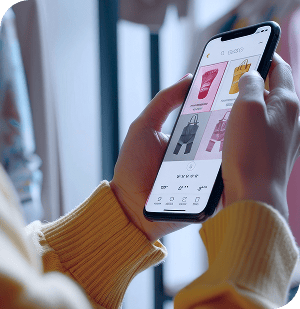
In practice, it looks something like this. Mike contacts support to request information about a leather jacket that is no longer available online in his size. Instead of telling Mike it is out of stock, the agent looks through his purchase history, suggests a similar style, applies a discount, and arranges expedited shipping. Disappointment is diverted through a personalized shopping experience. What’s more, the brand gains a loyal customer in Mike.
True Omnichannel Support
Today’s retail customers expect every interaction to be connected, regardless of the channel they choose. Phone, live chat, email, SMS, social media, video, or a guided shopping session, need to operate seamlessly, without customers having to repeat their questions or conversations. This need for continuity also helps to reduce customer effort and build trust through each interaction.
Let’s say Carolina enjoys shopping for clothing at a high-end department store when visiting friends in New York. Since the retailer does not have a store near her, she shops online when she needs outfits for special events or upcoming vacations. Carolina wants recommendations based on her purchase history.
She begins by chatting with a sales associate about a product. Then the conversation continues via live video. Not only can an agent recommend pieces to add to her wardrobe, but Carolina can also live-co-browse with the shopper in real time. That’s a very different experience from text, email, or standardized product recommendations.
After the consultation, Carolina purchased a blue sundress and is considering a second one in red. Later, she receives an SMS containing a direct product link to the red sundress, a personalized promotional offer, and delivery options. This allows her to complete the next purchase with ease, if she decides to do so.
Proactive Customer Communication

The strongest retail support models are built around proactive engagement, ensuring customers are informed before they need to reach out for answers. In the case of Jose’s delayed golf shirt, the brand could have taken a proactive approach. The communication could have included a revised delivery timeline, available options such as refunds, credits, or replacement shipments, and a simple way to connect with an agent for additional assistance.
Beyond shipping, proactive customer communication can cover anything, such as product availability, restock announcements, loyalty program opportunities, promotions, or abandoned carts. It shifts the interaction from a reactive service exchange to a relationship-building opportunity. This results in fewer customer escalations by reducing customer frustration and, over time, builds trust.
In Conclusion
The quiet reinvention of retail support is already underway. The future belongs to retailers that empower their teams with the right knowledge, tools, and insights to deliver experiences that go beyond solving problems. In doing so, brands create customers for life.