

Why is customer experience important in telecom? In an industry where every provider offers the same product, customer experience is the only differentiator.
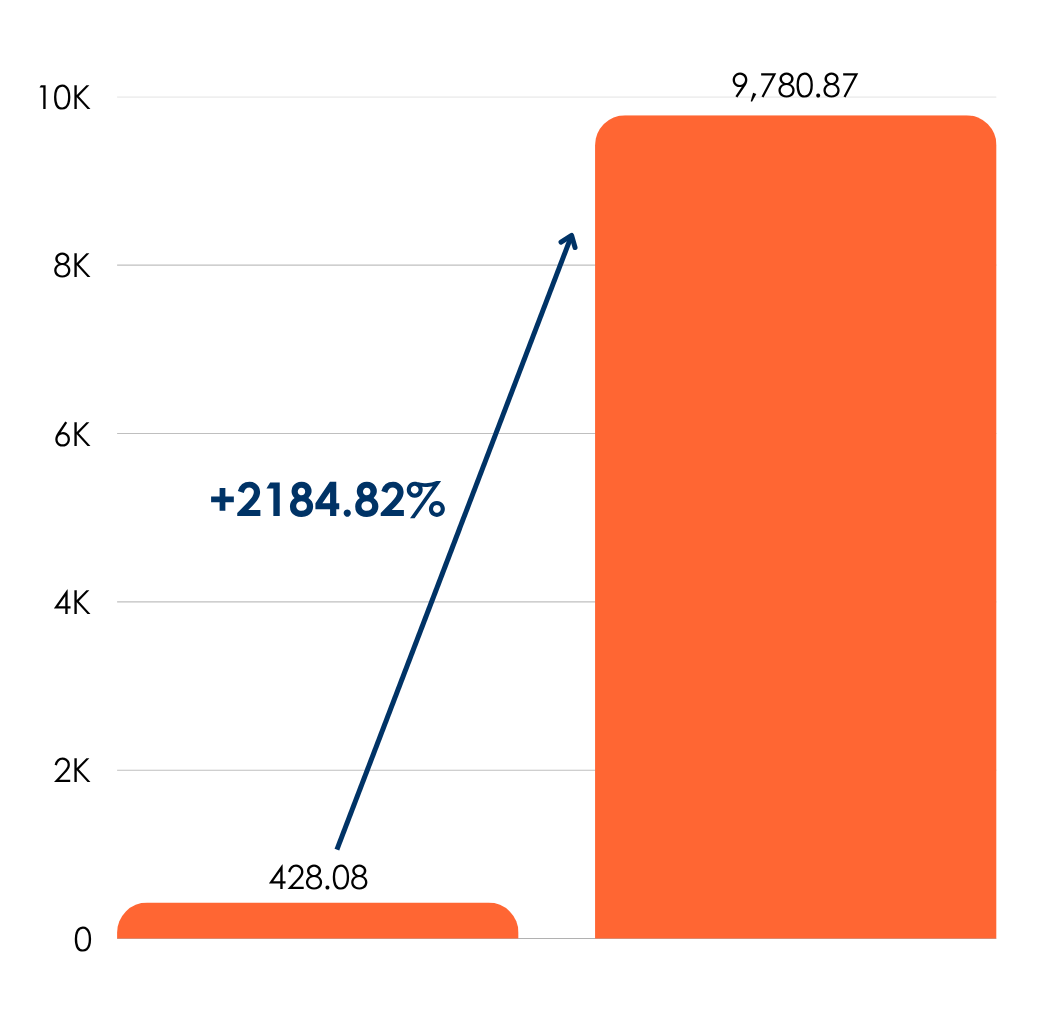
AI is a core CX strategy for telecom leaders today. The global market for GenAI in telecom was estimated at $428.08 million in 2025 and is expected to grow to $9,780.87 million by 2034. AI has revolutionized the telecom customer experience.
But this isn’t the entire story. One of the industry’s biggest challenges is churn, due to poor customer service. In the United States, the telecom industry sees an annual churn rate of 30-35%.
Let’s take a closer look at what’s working and what can be improved by using AI.
Reactive to Proactive
For decades, telecom customer service operated on a largely reactive model. Customers had to recognize a problem and reach out to the provider. Traditionally, calls went to an Interactive Voice Response (IVR) system, where customers spent time selecting menu options and waiting for the right department. After reaching an agent, multiple transfers and holds could turn into hours of frustration.
Today, while human agents are critical for more demanding customer service requests, conversational and virtual agents can handle basic requests. A customer may need help changing home phone, mobile, internet, or television plans or bundles. Another customer may use AI to guide them through home Wi-Fi troubleshooting.
AI allows customers multilingual 24/7 access while freeing up time. AI can handle call volume spikes from product launches, updates, or technical glitches by scaling support. Human agents alone can’t achieve this level of efficiency.

Predictive Support
Predictive AI continuously analyzes network performance, equipment health, traffic patterns, and other operational data to detect emerging problems. Let’s start with maintenance. Historical data helps AI find patterns that point to potential system failures. A fiber-optic line may be deteriorating and needs immediate maintenance to prevent a malfunction.
When AI identifies unusual performance from a cell tower, the telecom provider can intervene with backup routing structures before service is disrupted. In some cases, providers can correct the issue remotely without the customer ever knowing there was a problem. If a tornado-grade storm is looming in the forecast and could affect service in a region, providers can use AI to take a proactive approach. By sending an automated email or text immediately, customers learn about the situation and how the telecom provider is working to resolve it.
Proactive resolution reduces inbound calls and lowers pressure on contact center agents. It can also strengthen customer trust. When a provider addresses a problem before the customer must report it, it shows a high level of customer care.
Improving Customer Service
Telecom churn from poor customer service isn’t just an American problem. In Canada, major telecom players such as Bell, Telus, and Rogers have seen complaints rise between 38% and 68%.
Reducing churn begins with AI directing calls through intelligent routing. AI can route routine calls, such as account balance inquiries, to automated systems or entry-level agents. Calls that require complex technical support are transferred to a specialized human agent. Urgent calls require the quickest resolution and are prioritized.
AI also acts as a co-pilot for agents. In the past, agents had to open templates to find customer information while the customer was on hold. Today, AI quickly processes massive amounts of customer data, giving agents the information they need and recommended next steps. AI sentiment analysis allows agents to understand the direction of customer conversations. Is the customer speaking calmly or quickly, confidently, or defensively?
Even with automation and AI tools, human agents are invaluable. AI cannot help customers with difficult problem-solving or sensitive issues that require interpersonal skills and strong judgment. Human expertise remains critical to understanding the situation, building trust, and determining the right outcome.
AI can also provide insight into the customer journey and pinpoint exactly where customers decide to churn. This information is essential to keep improving customer service.

The Personalized Approach
AI gives organizations access to vast amounts of customer information. With data such as browsing or purchasing history, companies can offer personalized sales and marketing strategies. Agents can offer special promotions, upsell, or cross-sell during customer interactions.
Telecom companies can target communications to customers. This can be anything from personalized offers to advertising that meets specific customer needs. Broad campaigns no longer hold the same value. Tailored marketing is the new goal. It builds relationships and fosters brand loyalty.
In Conclusion
The next generation of telecom support has moved from reactive to proactive and offers predictive support, changing what anyone could have imagined. It’s far beyond traditional models where customers had to pick up the phone.
To tackle customer service issues, it’s not simply about adding more automation. Providers must put real-time AI data to work to understand the customer and what they need. For this, human agents are telecom’s greatest assets.
The result can be a more effortless customer experience, fewer unnecessary service interactions, reduced operating expenses, and deeper customer retention.