

After a 24-hour trans-Pacific journey, you enter the airport baggage claim exhausted and jet-lagged. Arriving at your hotel, you reach the lobby but are informed that the reception desk is on the second floor. Upstairs, overwhelmed staff keep you waiting before handing you your room/elevator key card.
In the elevator, things get worse. It skips floors, won’t open on yours, and leaves you trapped. Panicked, you finally reach someone by ringing the emergency bell several times. You’re told your key isn’t working, and you’ll need to go back down to reception for the elevator doors to open.
You begin to wonder if staying at this hotel is worth your effort and your sanity.
Human stress directly impacts customer service outcomes and churn rates. This is when the Customer Efforts Score (CES) becomes a crucial KPI.
Understanding CES
Customer Effort Score (CES) measures how easy it is for customers to interact with organizations. In 2010, the Corporate Executive Board, now known as Gartner, developed CES based on thorough research illustrating that low-effort interactions were the key to customer loyalty. Unlike metrics such as NPS, which measure loyalty, or CSAT, which measure satisfaction, CES focuses entirely on customer effort.
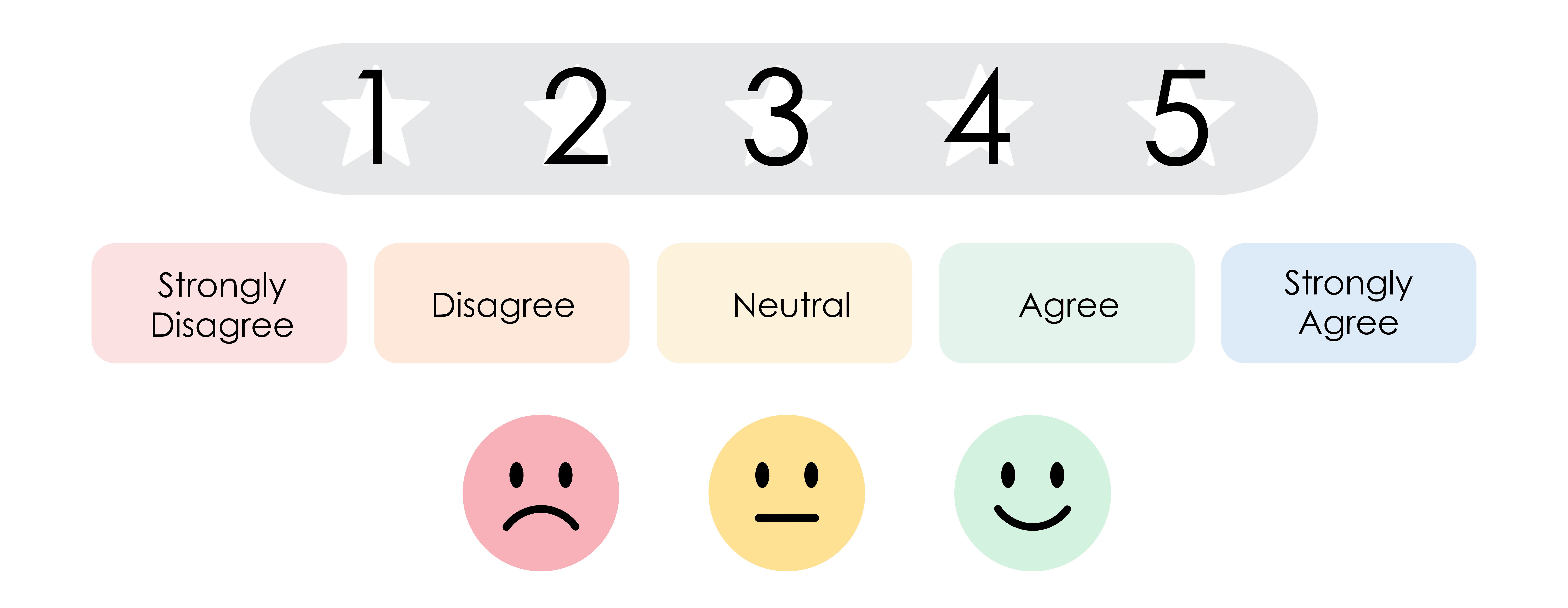
Customers rate their experience on a scale of 1 to 5, or sometimes 1 to 7. The lower the score, the greater the effort. The Likert scale moves from numerical to verbal by asking customers to rate a statement along a spectrum from strongly agree to strongly disagree. Of course, emotional ratings use frowning, neutral, and smiling faces to indicate difficult, neutral, or easy interactions.
Regardless of the type of CES survey, results are calculated by dividing the number of positive responses by the total number of responses. Then, multiply by 100 to find the percentage score.
Decoding CES
What kind of questions should be part of CES? When should these be sent out? What is considered a good CES score?
First up, keep questions clear without being overly vague. Hotels, for example, use CES to measure and gather information about guests’ effort in booking and information seeking. On a scale of 1 to 7, how easy was it to make your reservation? Under operations, questions are geared toward checking in and out. Support and issue resolutions ask about how easy a guest found it to get help.
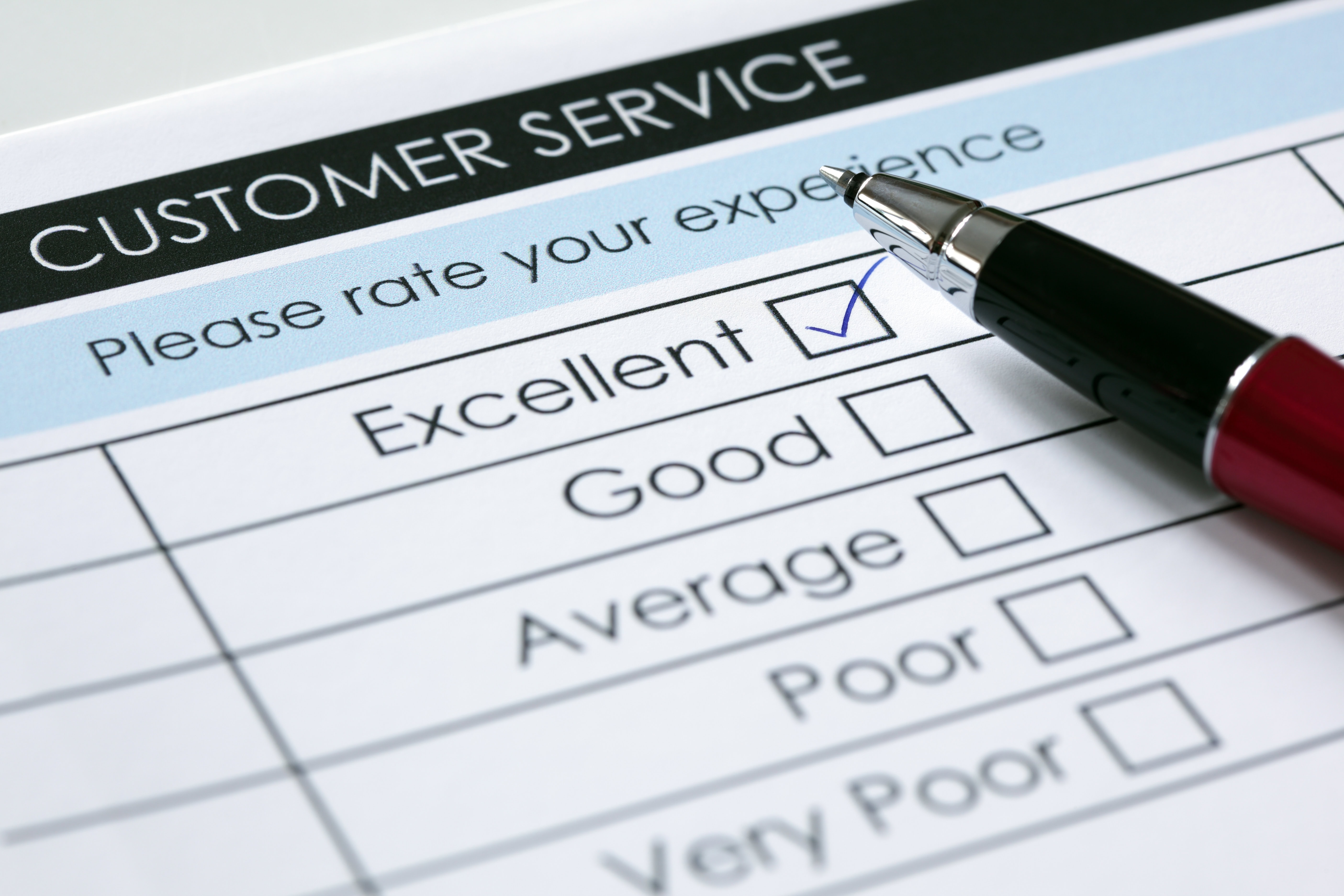
CES surveys should always have open-ended questions, too. What made a guest’s stay easy or difficult? The answers to these questions provide deeper insight. Look for common themes that your organization can improve upon.
Timing is critical when using CES. Deploy it right after support interactions, following a purchase or transaction, after customers engage with self-service tools, during onboarding, when services are renewed or upgraded, and after resolving specific issues or pain points.
The average Customer Effort Score (CES) across industries is 72% according to data from FullView (2025). Scores above 90% are considered exceptional.
Predicting Customer Behavior
Here’s something worth keeping in mind. Customers don’t have time for friction. And they don’t have to tolerate it. With so many alternatives available, even small frustrations can push them toward competitors who make things easier.
Recent data from Shep Hyken (2026) indicates that 74% of consumers believe organizations can provide seamless, hassle-free service. Consequently, when customers encounter complicated or frustrating experiences, they perceive these as intentional choices by the organization rather than unavoidable circumstances. This perspective is evident in their evaluation scores.
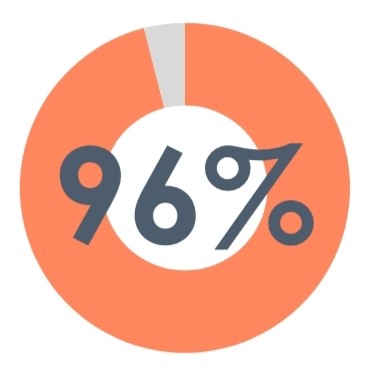
When customers face issues with a brand, those who experience high-effort resolutions are four times more likely to churn than those who experience low-effort resolutions. Research from Gartner quantifies this. And here’s another statistic. Did you know that 96% of customers who face high-effort service experiences decide to become disloyal to a brand?
Implementing Changes
Armed with new KPIs from CES, your organization can streamline approaches to better meet customer needs and address pain points throughout the customer journey. For contact centers, this may mean offering agents more solution-oriented training or AI tools to aid them.
Common issues that keep recurring in CES feedback need to be addressed immediately. Review closely to uncover patterns. It may reveal confusing account setup steps, difficulty accessing support resources, or shipping delays. Then get ahead of the problem. Share clear guidance or improvements before customers run into friction or reach out for help. This proactive approach can significantly improve CES scores.
After implementing these changes, continually monitoring the results will ensure the new standards take root. Do the actions create a more seamless customer journey? Finding the best solutions will help organizations to optimize
In Conclusion
When you reduce customer effort, you do more than solve a momentary problem. You shape how your customer feels about your brand. Through CES scores, organizations have a clearer understanding of customers’ intentions and a road map to build and increase loyalty.