The Transportation Industry is Transforming Faster than Ever
A book from CU professor Karen Levy explores the world of trucks and truckers in the modern US. Most people outside of trucking and logistics think of truckers as tough, independent, free spirits who roam the country. Driving huge rigs delivering our food and everything we buy in stores.
The legend remains partly true; most truckers like to preserve the image of road cowboys dodging smokies. However, as Professor Levy outlines in her research, modern reality is highly driven by technology.
The Role of AI in the Transportation Industry
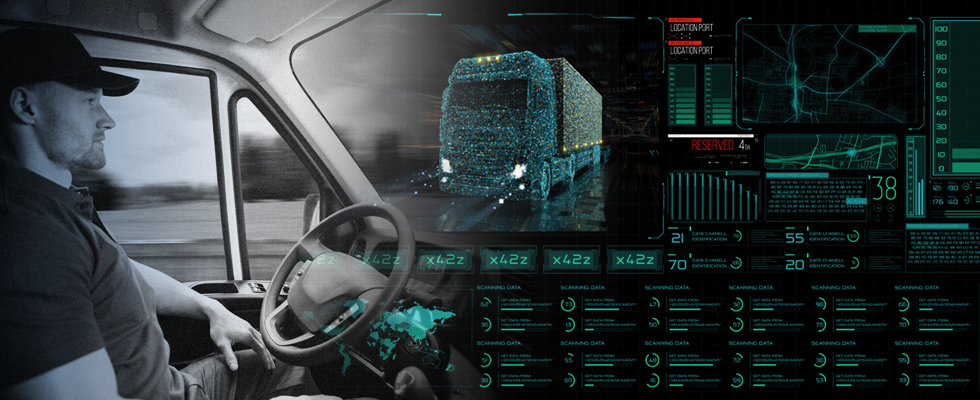
Routes and loads are usually planned by AI. Trucks and drivers have electronic monitoring systems, and various auto manufacturers are experimenting with autonomous trucks. The expectation is that long highway miles will eventually be primarily managed autonomously, with human drivers just handling the last section from a truck hub to a final destination.
This is excellent news for truckers away from their home and family for long periods, but it also requires a rethink across the entire industry, as truckers today are only paid by the mile driven. If they are only ever doing local deliveries, then a lot has to change.
AI in Modern Transportation
Data-Driven shows how an industry that most people think they understand from countless TV shows and movies is entirely different in reality. The modern transportation industry has been significantly transformed by technology in the past few decades. Many advances in various fields have improved efficiency, safety, and sustainability.
Here are some of the most critical ways in which transportation is currently transforming:
- Autonomous vehicles – The development of self-driving cars and trucks has the potential to revolutionize how goods and people are transported. Autonomous vehicles can reduce human error, improve traffic flow, and optimize fuel consumption.
- Electric vehicles (EVs) – The widespread adoption of electric cars, buses, and trucks has reduced the transportation sector’s reliance on fossil fuels, significantly lowering greenhouse gas emissions and air pollution.
- Ride-sharing platforms – Companies like Uber and Lyft have disrupted traditional taxi services, offering users more convenient and often more affordable transportation options. These platforms have also encouraged carpooling, which can reduce the number of vehicles on the road and help alleviate congestion. Many young Americans no longer even want to drive – their apps offer enough freedom.
- GPS and mapping technologies – Real-time navigation systems have become ubiquitous, helping to optimize routes, reduce fuel consumption, and improve delivery times for commercial transport.
- Advanced driver-assistance systems (ADAS) – Technologies such as adaptive cruise control, lane departure warnings, and automatic emergency braking enhance driver safety and can help prevent accidents. Although auto brands such as Tesla come to mind immediately when thinking of this automation, a less-known global group of companies is working on this technology.
- Drones and aerial transport – Drone technology has the potential to revolutionize the delivery of goods, particularly in remote or hard-to-reach areas. In addition, companies like Uber Elevate and Airbus are developing electric vertical takeoff and landing (eVTOL) aircraft for urban air mobility, which could potentially alleviate traffic congestion in densely populated areas. Domino’s made their first pizza delivery by drone back in 2016.
These advances are reshaping transportation as we know it. There will be new business models, more delivery efficiency, and a reduced environmental impact. New ideas and innovations will likely emerge and drive more significant change over the coming years.
Automation and Acceleration of Services
One thing that is also clear from all these developments is that there will be a greater expectation on transport companies to provide real-time information to customers. Simple ‘where is my stuff’ tracking will not meet customer expectations as we see more and more automation and acceleration of services.
Ride-sharing platforms need constant communication with both drivers and customers. Delivery services need better ways to keep customers updated. Autonomous vehicles will undoubtedly reshape how logistics companies plan long-haul and local deliveries. All this will put transportation companies at the center of a communication network that increasingly relies on sensors and the Internet of Things for automated updates. The 2020s will see a transportation transformation!
Control Towers for Digital Transformation in Transportation and Logistics
Leading logistics and transportation companies use digital control towers to unify shipment, fleet, and inventory data across the supply chain. By integrating TMS, WMS, telematics, and IoT signals into a single digital platform, teams gain real-time visibility that supports faster decision-making, lower operational costs, and a better customer experience. Predictive analytics, digital twins, and real-time tracking help improve ETA reliability, route optimization, fleet management, warehouse management, and inventory management from first-mile to last-mile delivery.
Effective digital transformation in transportation depends on clear playbooks and stakeholder alignment. Mature programs define escalation paths for exceptions such as dwell-time overages, missed appointments, weather disruptions, and capacity shortfalls. With strong data governance, data management, and mobile applications, transportation and logistics teams can streamline operations, improve supply chain operations, and sustain measurable performance without duplicating the page’s broader discussion of industry change.
These digital transformation initiatives create a connected operating model that uses digital tools, data analytics, and digital solutions to improve transit transparency and logistics operations. Organizations that implement digital platforms and real-time data workflows can support sustainable transportation goals, strengthen last-mile logistics, and deliver consistent digital experiences for logistics customers.
Partner with DATAMARK to Navigate the Future of Transportation
As transportation and logistics continue to transform, staying competitive means making smarter, faster decisions powered by technology. From AI and automation to connected control towers, digital tools are reshaping how goods move and how companies operate.
At DATAMARK, we help logistics and transportation teams unlock the full potential of digital innovation. Whether you’re optimizing routes, improving visibility, or planning for sustainable growth, our solutions are built for what’s next. Visit our website to learn more about how we support the modern supply chain. Follow us on LinkedIn for industry insights and updates that keep you ahead.